Ultimate Abbey Road Guide
Visit Abbey Road Studios in London, see the famous Beatles zebra crossing, learn its history, nearby hotels and how to get there.

Visiting Abbey Road Studios: A Must-See Destination for Beatles Fans
Few places in the world hold as much significance for music lovers as Abbey Road Studios in London. Immortalised by the Beatles and still one of the world’s most famous recording facilities, Abbey Road has become a pilgrimage site for fans from across the globe. While visitors cannot tour the studios themselves, thousands travel to the leafy district of St John’s Wood every year to see the iconic building, walk across the famous zebra crossing, and experience a location that played a central role in the history of modern music.
Whether you are a lifelong Beatles devotee or simply interested in music history, a visit to Abbey Road Studios is one of the highlights of any trip to London.

A Brief History of Abbey Road Studios
Abbey Road Studios opened in 1931 and was originally known as EMI Recording Studios. The facility was built by the Gramophone Company, which later became part of EMI, and quickly established itself as one of Britain’s leading recording venues.
The studios gained worldwide fame during the 1960s through their association with the Beatles. Between 1962 and 1970, the Beatles recorded almost all of their music there, working closely with producer George Martin and a talented team of engineers.
Many of the group’s most celebrated albums were recorded within its walls, including Sgt. Pepper’s Lonely Hearts Club Band, Revolver, The Beatles and, of course, Abbey Road.
The studio became so closely associated with the band that the road outside inspired the title and cover photograph of their final recorded album. Today, Abbey Road Studios remains a working recording facility and continues to host some of the world’s leading musicians, film composers and performers.
The Beatles and Abbey Road

For Beatles fans, Abbey Road represents much more than a recording studio. It was effectively the band’s creative home throughout their career.
Classic songs such as “Yesterday,” “Hey Jude,” “Come Together,” “Something,” and “All You Need Is Love” were recorded here. The innovative production techniques pioneered by the Beatles and George Martin helped transform popular music and established Abbey Road as one of the most influential studios ever built.
The studio’s association with the Beatles has endured for more than half a century, making it one of London’s most visited music landmarks.
Who Else Has Recorded at Abbey Road?
Although the Beatles are undoubtedly the studio’s most famous clients, they are far from the only artists to have worked there.
Over the decades, Abbey Road has welcomed an extraordinary list of performers, including:
-
Pink Floyd
-
Oasis
-
Radiohead
-
Kate Bush
-
Ed Sheeran
-
Adele
-
Lady Gaga
-
Amy Winehouse
The studios have also become renowned for film music. Scores for major movies such as Star Wars, The Lord of the Rings, Harry Potter and the Philosopher’s Stone and numerous other blockbuster productions have been recorded here.
As a result, visitors are not simply standing outside a Beatles landmark but one of the most important recording studios in the world.
Can You Tour Abbey Road Studios?

Photo by David Dixon
One of the most common questions asked by visitors is whether they can tour the studios.
Unfortunately, the answer is generally no.
Abbey Road remains a fully operational professional recording facility, and regular public tours are not offered these days. Access is normally restricted to artists, staff and invited guests.
Occasionally, special events or exhibitions are held, but these are rare and usually sell out quickly. Most visitors therefore experience Abbey Road from outside the building.
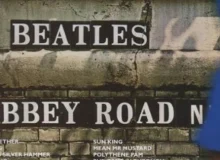
While some fans are disappointed by this, there is still plenty to see. The famous exterior, the studio gates, the Abbey Road sign and the zebra crossing provide more than enough opportunities for photographs and a memorable visit.
The Famous Abbey Road Zebra Crossing

Photo by David Dixon
The zebra crossing outside the studios is arguably the most famous pedestrian crossing in the world.
On 8 August 1969, photographer Iain Macmillan captured the image of the Beatles walking across the crossing for the cover of the Abbey Road album. The photograph became one of the most recognisable album covers ever created.
Today, fans from every corner of the globe recreate the famous pose.
Tips for Taking Your Abbey Road Crossing Photo
If you want the perfect photograph, consider the following tips:
Visit early in the morning. The crossing can become extremely busy during the day. Arriving before 8am often means fewer tourists and lighter traffic.
Be patient. There is usually a steady stream of visitors waiting to take photographs. Everyone gets their turn, so there is no need to rush.
Watch the traffic. The crossing is on a normal public road. Cars, taxis and buses continue to use the street, and drivers can sometimes become frustrated if people spend too long posing.
Bring a friend. Having someone with you makes it much easier to recreate the famous album cover.
Use the live webcam. Abbey Road operates a webcam overlooking the crossing. Some visitors arrange for friends to watch online and capture screenshots as they cross.
Try different angles. The classic album-cover shot is popular, but photographs of the studio entrance and surrounding neighbourhood can be equally memorable.
Signing the Wall
Another popular tradition is signing the wall outside the studios.
The wall surrounding the building is covered with messages, signatures and tributes left by Beatles fans from around the world. Visitors often write their names, hometowns or favourite Beatles lyrics before taking photographs.
The wall is regularly repainted, but new messages quickly appear.

Book your Beatles tour of Marylebone and Abbey Road HERE!
Immerse yourself in the history of the Beatles
Get a picture at the famous Abbey Road crossing
Visit film locations from “A Hard Day’s Night” and “Help”
Discover where Paul McCartney wrote the hit song “Yesterday”
Book your Beatles tour of Marylebone and Abbey Road HERE!
Immerse yourself in the history of the Beatles
Get a picture at the famous Abbey Road crossing
Visit film locations from “A Hard Day’s Night” and “Help”
Discover where Paul McCartney wrote the hit song “Yesterday”
How to Get to Abbey Road Studios
Abbey Road Studios is located in the attractive residential district of St John’s Wood in northwest London.
By London Underground
The easiest way to reach the studios is by Tube.
The nearest station is:
-
St John’s Wood Underground Station
The station is on the Jubilee Line and is approximately a five-minute walk from the studios.
After leaving the station, simply follow Grove End Road westwards until you reach Abbey Road. The route is well signposted.
By Bus
Several London bus routes serve the area, including:
-
Route 13
-
Route 113
-
Route 139
-
Route 189
These routes provide convenient connections from central London, including areas such as Oxford Street, Baker Street and Marble Arch.
By Taxi
Black cabs and ride-sharing services can drop visitors directly outside the studios. This is often the easiest option for those with limited time or travelling with family.
On Foot
Some visitors choose to walk from nearby attractions such as Regent’s Park or the Lord’s Cricket Ground, making Abbey Road part of a wider day exploring north London.
Is There Accommodation Nearby?
Yes. While there are no hotels directly adjacent to the studios, visitors will find a wide range of accommodation within walking distance or a short Tube ride away.
Popular nearby areas include:
-
St John’s Wood
-
Maida Vale
-
Marylebone
-
Paddington
-
Baker Street

Visitors looking for a luxury stay might consider Danubius Hotel Regents Park, which is located relatively close to Abbey Road and Lord’s Cricket Ground.Those seeking a wider choice of hotels often stay around Paddington or Marylebone, both of which offer excellent transport links and are only a few minutes away by Tube or taxi.

Because Abbey Road is located in a residential area rather than a tourist district, staying nearby can provide a quieter and more authentic London experience.
Where to Stay near Abbey Road Studios
Making the Most of Your Visit
Most visitors spend between 30 minutes and an hour at Abbey Road. This is usually enough time to photograph the crossing, sign the wall, visit the studio exterior and browse the nearby shops and cafés.
Many Beatles fans combine Abbey Road with other London music landmarks, creating a full day dedicated to the band’s history. Even without access to the studios themselves, standing at the crossing where one of the world’s most famous album covers was created remains a special experience.
For Beatles enthusiasts, visiting Abbey Road is not simply about seeing a building. It is about connecting with a place where musical history was made. More than fifty years after the Beatles walked across the zebra crossing, Abbey Road Studios continues to attract visitors from around the world and remains one of London’s most iconic destinations.

Photo by Paul Gillett
Best London Travel Guides


RECENT POSTS